Integrating Generative AI Into Program Management Processes
Table of Contents
The role of a Program Manager (PM) is dynamic, demanding an ability to juggle strategic oversight with detailed tactical execution. Increasingly, Generative AI has emerged as a transformative tool that streamlines these complexities. In this post, I’ll share insights and real-world experiences highlighting how Generative AI tools, specifically Claude 3.7 Sonnet, can significantly enhance PM effectiveness, productivity, and agility by enabling PMs to drive execution and empower engineering teams.
Why AI Now?
Generative AI has reached a critical inflection point. With the advent of models like Claude 3.7 Sonnet and GPT-4, AI has matured to a level where it can understand, generate, and summarize complex information with remarkable speed and contextual accuracy. This shift has profound implications for program management—a field that thrives on structure, clarity, and cross-functional coordination.
In today’s landscape, PMs are expected to lead across distributed teams, adapt to shifting priorities, and deliver value at high velocity. These expectations create bottlenecks, especially when time is consumed by repetitive, low-leverage tasks. That’s where Generative AI shines.
Streamlining Documentation and Reporting
One of the most impactful applications of Generative AI I’ve encountered is automating routine documentation tasks. Consider Jira and Confluence—tools fundamental to Agile program management. At CrowdStrike, I integrated Claude 3.7 Sonnet into our workflow to generate precise summaries of meetings, sprint retrospectives, and risk reports. What used to require hours of manual note-taking and follow-up now takes minutes, freeing up significant time to focus on strategic planning, driving execution, and team alignment.
The AI-generated summaries not only saved time but improved the quality of communication. Unlike traditional meeting notes, which often rely on a single notetaker’s interpretation, the AI tool synthesized full transcripts into concise, objective overviews. This reduced ambiguity, increased shared understanding, and improved retention of key decisions and action items across the team.
Enhanced Risk Management
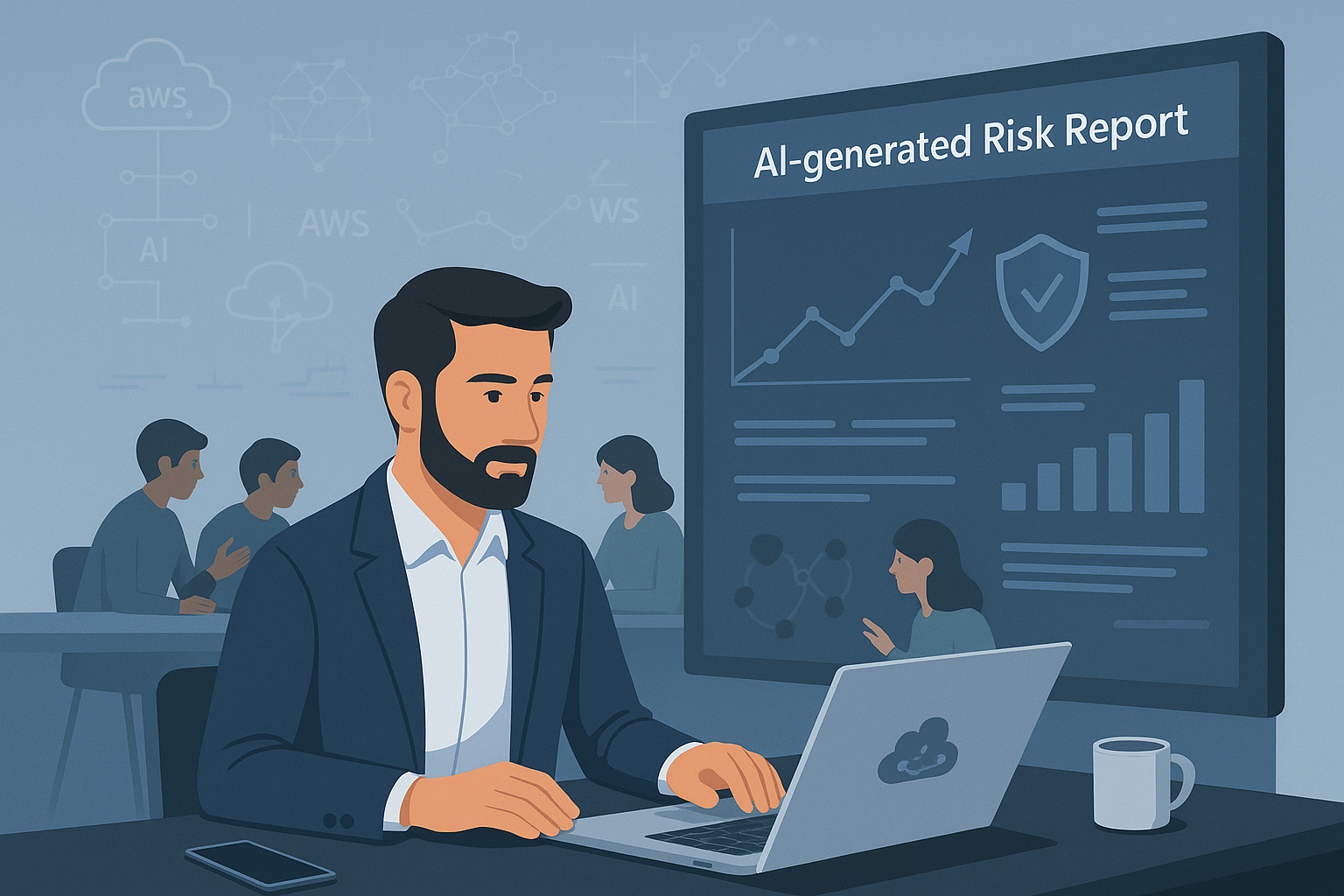
Risk management is a core responsibility for PMs, especially when dealing with complex cloud infrastructure deployments. When my team was tasked with expanding CrowdStrike’s cloud capabilities into Google Cloud Platform (GCP), Claude 3.7 Sonnet became indispensable. I trained this generative AI model on historical data, including past incidents, risk logs, and mitigation actions. The AI tool effectively predicted potential risks, categorized their severity, and suggested proactive mitigations, dramatically reducing reactive firefighting and enhancing program stability.
Even more powerful was its ability to surface hidden patterns. By analyzing metadata from tickets, retrospectives, and incident reviews, the model helped us identify recurring pain points that weren’t previously obvious. These insights enabled us to address root causes—not just symptoms—thereby maturing our risk mitigation playbook and proactively shaping engineering priorities.
Facilitating Cross-Functional Collaboration
Generative AI significantly aids in bridging communication gaps between technical teams and stakeholders. For instance, during our GCP infrastructure expansion at CrowdStrike, I leveraged Claude 3.7 Sonnet to regularly share status updates and distill complex technical issues into clear, concise narratives. This not only enhanced stakeholders’ understanding but also enabled engineering teams by facilitating quicker, informed decision-making across diverse groups—ranging from engineering and security to legal and compliance.
With AI-generated narratives, I was able to create weekly stakeholder briefings that highlighted not only what was happening, but why it mattered. These briefings provided executive-level visibility without overwhelming detail, while still giving technical teams confidence that their work was being accurately represented. In several instances, this clarity unlocked faster resourcing approvals and reduced decision latency.
Accelerating Agile Processes
Agile frameworks thrive on rapid, iterative cycles. Introducing Claude 3.7 Sonnet into Agile ceremonies (such as sprint planning and retrospectives) streamlined decision-making processes. For example, AI-driven insights identified repetitive blockers and suggested efficiency improvements. These insights significantly accelerated our Agile transformation, enabling PMs to drive execution more efficiently and consistently deliver value with shorter cycle times.
More notably, I used AI to co-create backlog items from raw ideas and discussion notes. This minimized time spent translating brainstorming sessions into structured tasks. The AI-generated stories weren’t always perfect, but they served as excellent first drafts—cutting prep time in half and letting us focus more on prioritization and sprint scope alignment.
Realizing Strategic Impact
The benefits of integrating Generative AI go beyond execution velocity. At a strategic level, AI enables PMs to elevate their scope of influence. By automating the operational layer, PMs gain space to operate at the portfolio level—thinking beyond milestones to the systems, culture, and value flows that define long-term success.
In my own experience, this shift was palpable. Rather than being mired in updates and documentation, I had more time to coach teams, mentor junior program managers, shape cross-functional OKRs, and build coalitions around high-leverage bets. AI didn’t replace my role, it augmented it, giving me superpowers to lead more effectively.
Key Takeaways
- Time Savings: Automating repetitive tasks frees significant PM bandwidth.
- Proactive Risk Management: AI-driven risk prediction enhances stability and reliability.
- Improved Communication: Clear, AI-generated summaries enhance stakeholder alignment.
- Agility Boost: Accelerating iterative processes with actionable insights improves delivery cycles.
- Strategic Elevation: Less time in the weeds = more time driving organizational impact.
Integrating Generative AI into program management isn’t just about adopting new tools—it’s about fundamentally rethinking how tasks are approached, risks are managed, and value is delivered. My experiences clearly show that embracing AI-driven strategies not only streamlines operations but also empowers PMs to elevate their role, enabling engineering teams, driving execution, and advancing strategic excellence.
AI is a fantastic tool to make PMs more effective and agile. By offloading repetitive tasks, surfacing actionable insights, and enabling clearer cross-functional communication, AI allows program managers to focus on what truly matters: strategic execution, empowering teams, and driving meaningful outcomes across the organization.